The Widest Range of Marine Equipment & Spare Parts Under One Roof

Watermakers for Boats and Yachts | Maintenance Guide

Watermakers for Boats and Yachts Maintenance Guide

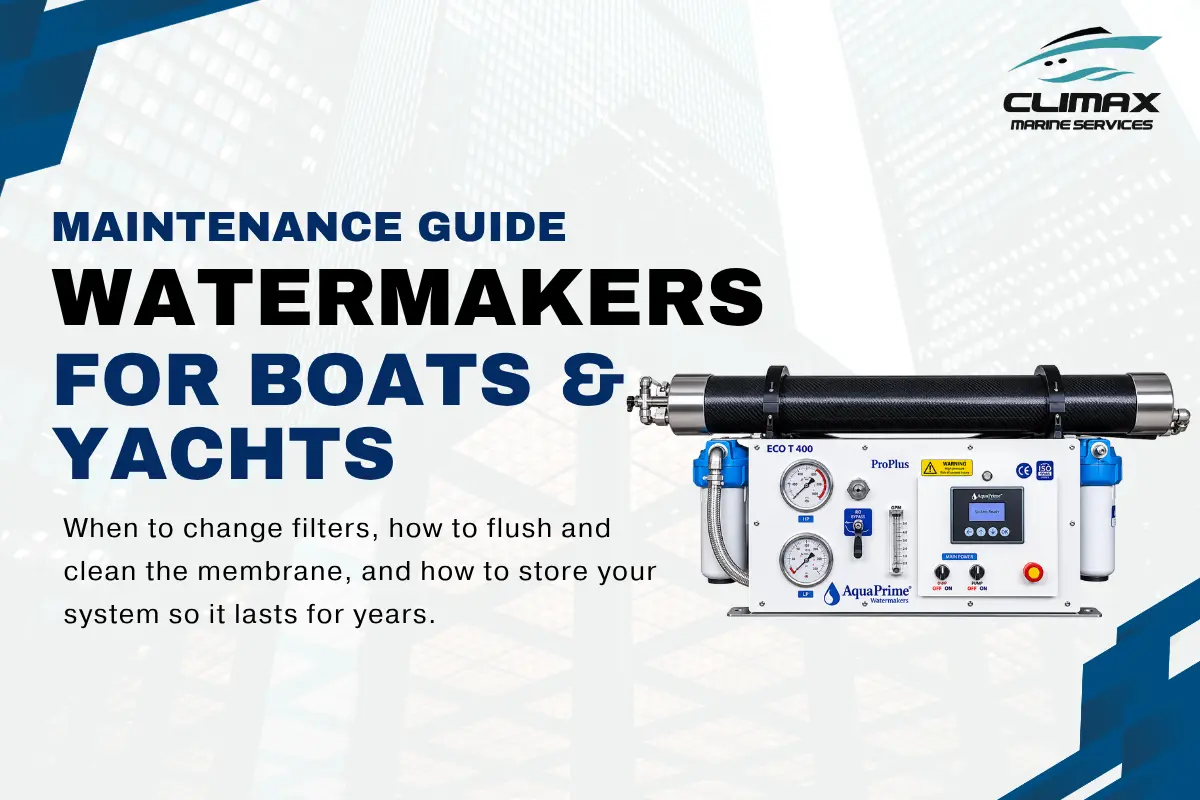
Want Your Watermaker to Last Longer? A Complete Maintenance Guide for Boats

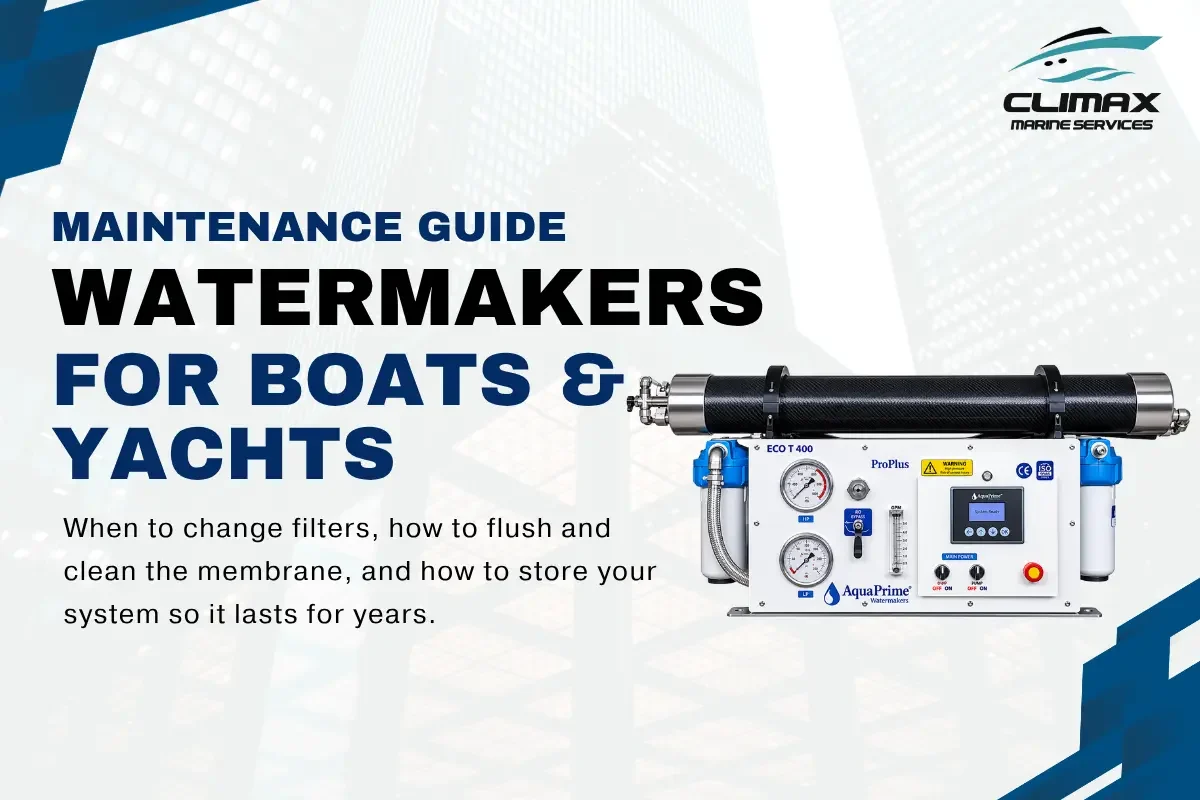
Watermakers give you the freedom to stay out longer, turning seawater into fresh drinking water right on board. Winter is the busiest cruising season in the UAE and GCC, which means more hours of use and more wear on filters, pumps and membranes. Whether you have a compact boat watermaker or a large yacht water maker, a few simple habits will keep it producing clean water for years. This guide covers how the system works, what to maintain, and the warning signs to watch for.

How Watermakers Work on a Boat

Most marine watermakers use reverse osmosis. A high-pressure pump pushes seawater through a special membrane with tiny pores. Fresh water passes through, while salt and impurities are flushed back overboard.

That’s why you’ll also see these systems called a marine water maker, a desalinator for boat use, a marine RO water maker or simply a sea water maker. On larger vessels, the same technology is often called a yacht reverse osmosis system. Whatever the name, reverse osmosis for boats works in the same basic way, and it needs the same care.

Before seawater reaches the membrane, it passes through pre-filters that catch sand, silt and particles. Keeping those filters clean is the most important part of maintenance.

The Main Parts to Maintain

Every water maker machine for boats has a few key parts that need regular attention:

  • Seawater strainer and intake: the first line of defence against weed and debris
  • Pre-filters: sediment cartridges, often 20, 10 and 5 micron, that trap particles before the pump
  • Carbon filter: removes chlorine during freshwater flushing, which protects the membrane
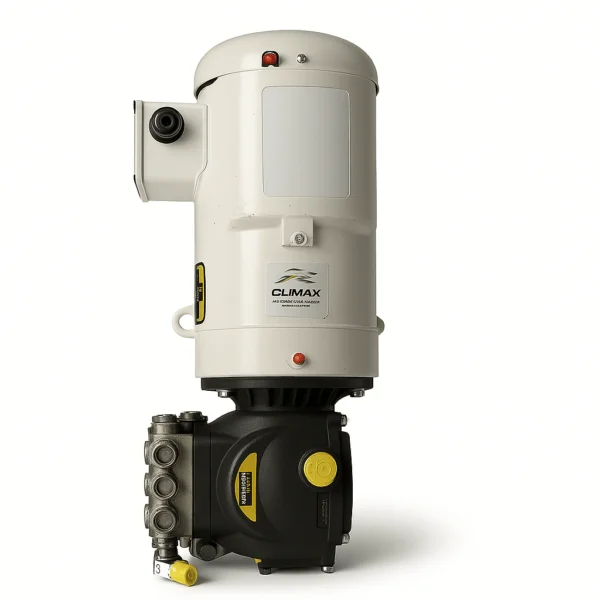
  • High-pressure pump: creates the pressure needed for reverse osmosis
  • RO membrane: the heart of the system and the most expensive part to replace
  • Avoid running it in marinas, harbours or dirty water, where oil and silt can clog filters and foul the membrane.
  • Run the system regularly. Membranes prefer frequent use over long idle periods.
  • Check the seawater strainer before every use.
  • Watch your pressure and salinity readings, and note anything unusual.
  • Book an annual service to check seals, pumps, and fittings before they fail.

When to Change Filters on Watermakers

There’s no single schedule, because filter life depends on how often you run the system and how clean the water is. Change the pre-filters when:

  • They look brown, dirty or clogged
  • Output drops, or the system takes longer to reach pressure
  • The pressure gauges show a bigger difference before and after the filter
  • Your manufacturer’s recommended interval has passed

Always keep a spare set of water maker filter cartridges on board. Running with clogged filters puts extra strain on the pump and membrane.

How to Flush Watermakers After Use

Flushing with fresh water after each use is one of the best things you can do for your system. It pushes salty water out of the membrane and helps stop bacteria and growth from forming inside.

Many systems have an automatic or manual fresh water flush. The flush water must pass through a carbon filter first, because chlorine from tap or dock water can permanently damage the membrane. Follow your manufacturer’s manual for how long and how often to flush.

Signs Your Membrane Needs Cleaning

Over time, scale, salt and biological growth build up on the membrane. Look out for:

  • Lower fresh water output than usual
  • Higher salinity readings on the display
  • Higher operating pressure to produce the same amount of water
  • A bad taste or smell in the produced water

A membrane clean with the correct chemical, such as Idromar CTR cleaning powder, can often restore performance. Always follow the instructions on the product label and in your system manual.

Storing Your Watermaker When Not in Use

If your boat will sit for a while, the membrane needs protecting:

  • Short breaks: flush with fresh water regularly, as your manual recommends.
  • Longer layups: many manufacturers recommend “pickling”, which means filling the system with a preservative solution so the membrane doesn’t dry out or grow bacteria.
  • Never let the membrane dry out. A dry membrane can be permanently damaged.

Tips to Make Watermakers Last Longer

  • Avoid running it in marinas, harbours or dirty water, where oil and silt can clog filters and foul the membrane.
  • Run the system regularly. Membranes prefer frequent use over long idle periods.
  • Check the seawater strainer before every use.
  • Watch your pressure and salinity readings, and note anything unusual.
  • Book an annual service so seals, pumps and fittings are checked before they fail.

Choosing the Right Water Maker for Your Boat

  • If you’re upgrading or fitting a new marine fresh water maker, the right choice depends on your boat size, crew and how much water you use each day:

    • Small boats and sailboats: compact or 12 volt marine water makers that run from the boat’s batteries
    • Occasional use: a portable marine water maker that can be set up when needed
    • Larger yachts: higher-output 220V systems that supply the whole boat


At Climax Marine, our water maker units range includes compact Smart 35 and Smart 70 models, AQT/AQD systems, and ECO T/D models for larger yachts. Our team can help you size the right freshwater maker for your boat.

Expert Watermakers Service in the UAE and GCC

With 40+ years of experience, Climax Marine supplies, installs and services watermakers for boats and yachts across the UAE and GCC. From filters and cleaning chemicals to complete systems, we have what you need to keep fresh water flowing on board. Call +971 56 761 2345 or send us your watermaker model, and our team will help.

Watermakers FAQs

Planning your visit? Here are quick answers to the questions visitors ask most, from dates and tickets to getting there and finding our stand.

Regular use is better than long idle periods. If you can’t run it often, flush it with fresh water as your manual recommends, or pickle it for longer layups.

It depends on use and water quality. Check them often, and change them when they look dirty, output drops or pressure readings change.

It’s best to avoid it. Harbour water often contains oil, fuel and silt that can clog filters and damage the membrane. Run it in clean open water where possible.

Common causes are clogged pre-filters, a blocked seawater strainer, a fouled membrane or a pump problem. Start by checking and changing the filters.


Higher salinity usually means the membrane needs cleaning or replacing, or a seal is leaking. Stop using the water for drinking and have the system checked.

With good maintenance, membranes can last several years. Regular flushing, clean filters and correct storage all help extend their life.

With good maintenance, membranes can last several years. Regular flushing, clean filters and correct storage all help extend their life.

SHARE

Related Products

Request a Quote

Need Help? Chat with us