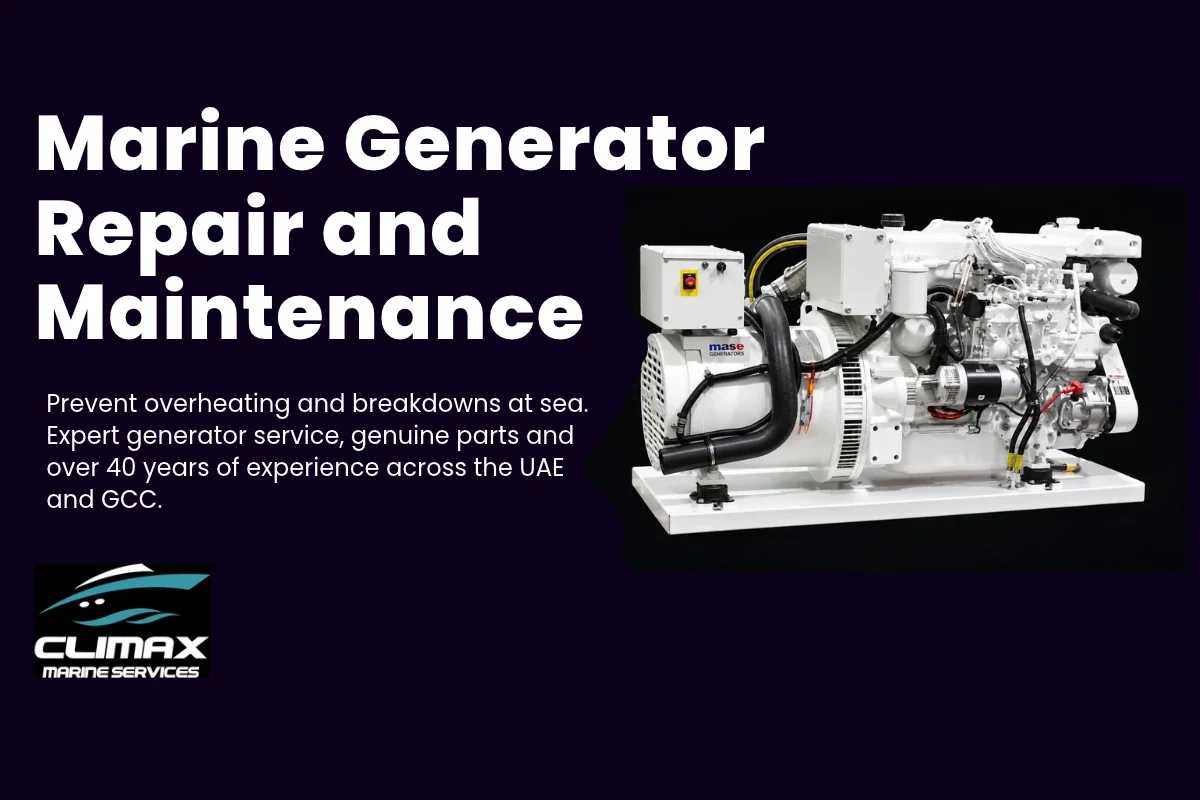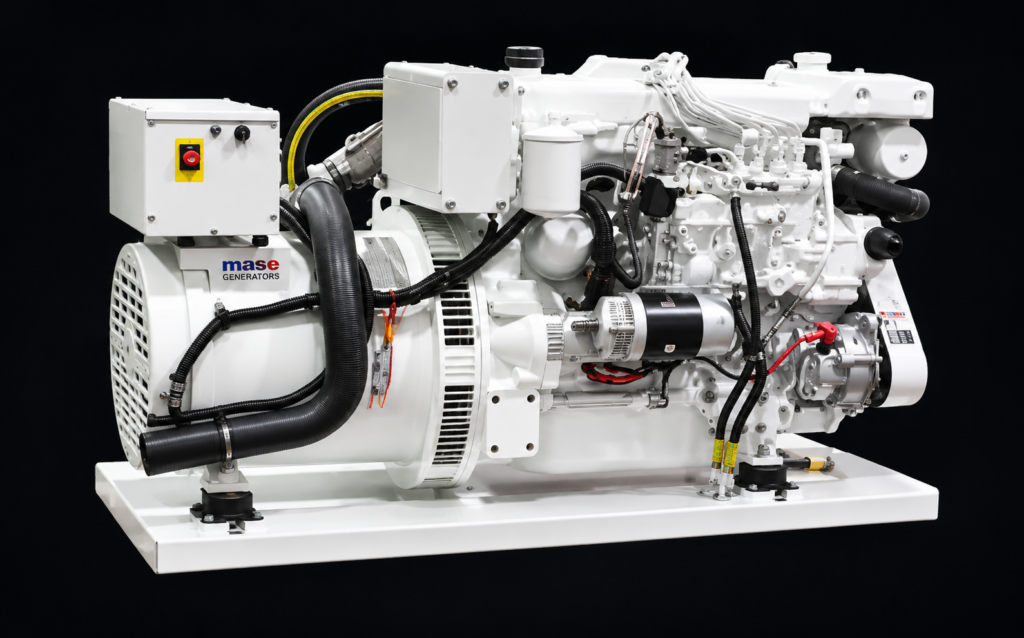
Marine Generator Repair and Maintenance: Expert Guide
Regular marine generator repair and maintenance is the best way to keep your boat’s power running when you need it most. Whether you run a compact boat generator on a fishing boat or a large yacht generator on a superyacht, the genset powers your air conditioning, fridges, watermaker and lights. When it stops, life on board stops with it. In the heat of the UAE and GCC, a marine diesel generator works harder and longer than in cooler waters, so routine checks matter even more.
Most breakdowns come from a handful of simple, preventable problems. Below are eight checks every owner or captain should know, plus advice on brands, sizes and when to call a technician.
Why Marine Generator Repair and Maintenance Matters
A marine genset runs in a tough environment: salt air, hot engine rooms, vibration and long running hours. Small issues such as a worn impeller or a blocked strainer can cause overheating within minutes. Fixing them early costs very little. Ignoring them can mean a damaged engine, a ruined trip and an expensive repair bill.
These checks apply to all marine generators for boats, from a small marine diesel generator to a large multi-cylinder unit.
Check the Raw Water Impeller
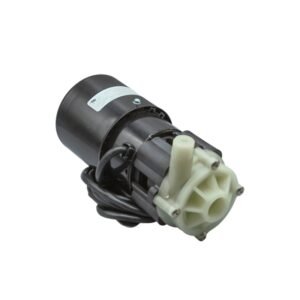
The rubber impeller in the raw water pump pushes seawater through the cooling system. Over time the vanes harden, crack or break off, especially if the pump runs dry. Inspect it at every service and replace it at least once a year, or sooner if you see cracks or missing vanes. Always carry a spare on board.
Clean the Seawater Strainer and Intake
Weed, shells and plastic bags can block the seawater strainer and starve the cooling system. Check the strainer basket before every trip and clean it whenever you see debris. Make sure the seacock is fully open before starting the genset for boat use.
Change the Oil and Oil Filter
Clean oil protects the engine from wear. Check the oil level before starting, and change the oil and filter at the intervals in your manufacturer’s manual, often every 100 to 200 running hours. In hot climates with long running hours, staying on schedule is essential.
Inspect the Coolant and Heat Exchanger
Most units use freshwater coolant, cooled by seawater through a heat exchanger. Check the coolant level when the engine is cold and look for leaks around hoses and the header tank. Scale and debris build up inside the heat exchanger over time, so have it cleaned during a regular service.
Check Belts and Hoses
Look for cracked, glazed, or loose drive belts and adjust or replace them as needed. Squeeze the cooling hoses: if they feel soft, swollen or cracked, replace them. Check every hose clamp for rust and tightness, because a single failed clamp can flood the engine room.
Replace Fuel Filters and Drain the Water Separator
Water and dirt in diesel are common causes of rough running and sudden shutdowns. Drain the water separator regularly and replace fuel filters at the recommended intervals. Always carry spare filters on board.
Inspect Anodes and the Exhaust System
Zinc anodes inside the cooling system protect metal parts from corrosion. They wear away over time and must be replaced before they are fully used up. Also inspect the wet exhaust hose and mixing elbow for leaks, cracks or carbon build-up.
Test the Battery and Run Under Load
Check that the start battery is fully charged and that terminals are clean and tight. If your boat sits unused for long periods, run the generator at least once a month under a proper load, for example with the AC running, for 30 minutes or more. This keeps parts lubricated and helps prevent carbon build-up.
Care Tips for Popular Generator Brands
The eight checks above apply to every brand, but each manufacturer has its own service intervals and parts. Here are some of the most common units we see in the region:
Kohler
A Kohler marine generator is one of the most popular choices in the Gulf. Owners of a Kohler boat generator such as the Kohler 5EKD, the Kohler 5ECD generator or the Kohler 5kW marine generator should pay close attention to the raw water impeller and the control panel connections. For routine servicing, a Kohler 5E maintenance kit includes the filters and parts you need, and a regular Kohler marine generator oil change is the simplest way to extend engine life.
Onan
The Onan marine generator, also known as the Cummins Onan marine generator, has a long track record on sport fishers and cruisers. Any Cummins marine generator benefits from regular heat exchanger cleaning and fresh fuel filters.
Northern Lights
A Northern Lights generator is built for long running hours. Whether you have a Northern Lights marine generator or a Northern Lights diesel generator, change the oil on time and keep spare impellers on board.
Fischer Panda
Compact units like the Fischer Panda 5000i are popular on smaller boats. Their sound-insulated capsules can trap heat, so keep the cooling system clean and check hoses for wear.
Westerbeke, Yanmar, Beta and Other Brands
The same care applies to a Westerbeke generator or Westerbeke marine generator, a Yanmar marine generator, a Beta marine generator, Caterpillar marine generators on larger yachts, and Italian units such as the Paguro generator and the Phasor marine generator.
Choosing the Right Size for Small Boats
Not every boat needs a large genset. Marine generators for small boats usually start from around 3 to 5 kW. A 5kW marine diesel generator can run a small AC unit, a fridge and lights. Diesel marine generators for small boats are preferred over petrol units for safety and fuel economy. If you are looking for a small boat generator, consider your total power demand, available space and noise levels before you buy.
Buying a Marine Generator for Sale
If you are comparing a marine generator for sale, a boat generator for sale or a marine genset for sale, look beyond the price. Check the running hours, service history and parts availability in your region. Used marine generators for sale can be good value, but always ask for an inspection and a load test first. Our team can advise on the right unit and the parts you will need to keep it running.
Signs Your Marine Generator Needs Repair and Maintenance
Contact a technician if you notice any of these:
- Overheating alarms or high temperature readings
- Little or no water coming out of the exhaust
- Black, white or blue smoke
- Unusual noises, knocking or vibration
- Difficulty starting or frequent shutdowns
- Voltage or frequency fluctuations affecting onboard equipment
If you spot any of these, book a marine generator repair before a small fault becomes a major failure.
Professional Generator Service Across the UAE and GCC
Owner checks go a long way, but a full service by a trained technician catches problems you cannot see. If you are searching for marine generator repair near me, boat generator repair near me or marine generator service near me anywhere in the UAE and GCC, our team can help. Kohler owners looking for Kohler marine generator service near me can rely on genuine parts and trained technicians. With over 40 years in the industry, we handle boat generator repair for all major brands and keep impellers and spares in stock.
Conclusion
A few minutes of checks before each trip, plus regular professional servicing, will keep your onboard power reliable for years. Need help with marine generator repair and maintenance? Contact Climax Marine or visit one of our showrooms for fast support across the UAE and GCC.
Marine Generator Repair and Maintenance FAQs
Have a question about your onboard generator? Here are quick answers to the questions boat owners and captains ask us most, from service intervals and overheating to impellers and choosing the right size.
Basic checks such as oil, coolant and the strainer should be done before every trip. A full service is usually needed every 100 to 200 running hours or at least once a year, depending on your manufacturer’s schedule.
The most common causes are a worn raw water impeller, a blocked seawater strainer, a closed seacock or a dirty heat exchanger.
Usually around one year or 500 to 1,000 running hours, but it can fail much sooner if the pump runs dry even for a few seconds.
If the engine block and alternator are in good condition, a repair is usually the better value. When parts are no longer available or repair costs approach the price of a new unit, replacing it makes more sense.
Owners can safely handle daily checks, strainer cleaning and impeller changes. For heat exchanger cleaning, valve adjustments and electrical faults, we recommend a qualified technician.