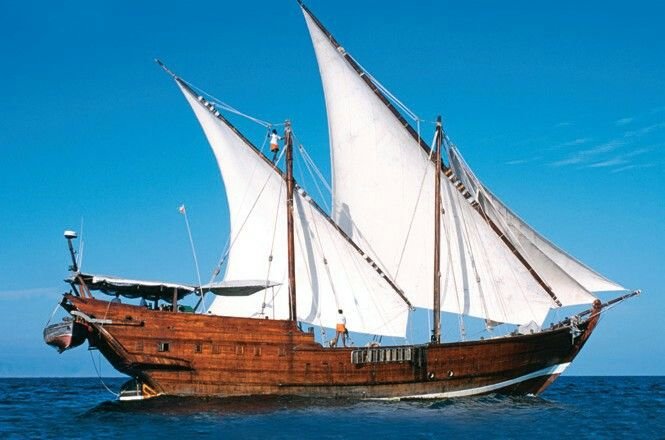
Wooden vessels have a special place in the Gulf. For centuries, the region has been home to some of the finest wooden constructed boats in the world, and this classic workmanship is still admired today. Its roots go back to pearl diving and fishing, the traditional professions of the Arabian Peninsula, which were practised until modern times.
The History of Wooden Vessels in the Gulf
The traditional dhow was the backbone of trade and fishing across the region. Builders shaped every hull by hand from strong timber, passing their skills from one generation to the next. In recent years, many smaller commercial fishing boats have switched to modern GRP. However, the visual design of the traditional dhow has been kept to preserve its character.
Why Wooden Vessels Are Still Used Today
Wooden cargo dhows are still widely used for sea transport across the Arabian Gulf, as wood has proven its durability and its ability to withstand the test of time. Owners who can afford it have also built luxury dhows that combine the beauty of finely crafted teak with modern comfort.
Combining modern amenities with traditional construction is not easy. Building wooden vessels to the scale of a classed pleasure craft takes rare skill and craftsmanship, which has become harder to find as modern materials have taken over the industry.
Caring for Wood in the UAE Climate
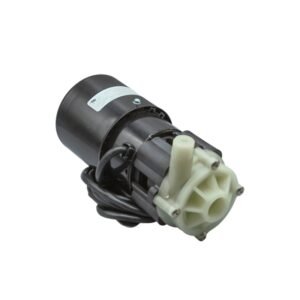
Sun, salt and humidity are hard on wood. Regular cleaning, the right teak care products and well-maintained onboard systems help keep wooden vessels in top condition. Our team supplies marine air conditioning, pumps and spare parts for both modern and traditional boats across the UAE and GCC.
Dhows are still built by hand in places like Ajman and Sharjah, where shipwrights use teak and other hardwoods to create hulls that can last for decades. Visiting a traditional boatyard is a great way to see this heritage up close.